

PLO Meetings for Parents: How to Prepare and Respond
When social services have concerns about a child’s welfare, they
Written by
Hatch Brenner

When social services have concerns about a child’s welfare, they may begin the Public Law Outline (PLO) process, often referred to as “pre-proceedings.” This is a serious stage, but it is also an important opportunity for parents to understand the concerns, make changes, and work with professionals to avoid court action (care proceedings).
PLO meetings allow parents to respond to concerns, access support, and demonstrate their ability to meet their child’s needs. How you approach this process can have a significant impact on the outcome.
Being prepared, informed, and willing to engage positively can make a real difference. The following steps explain how parents can make the most of the PLO process.
1. Understand What the PLO Process Is
The PLO process is a formal step taken by children’s services when they believe a child may be at risk of significant harm. Before applying to court for a care order, they may give parents a chance to respond to concerns and make improvements.
You will usually receive a “letter before proceedings,” outlining:
- The concerns about your child’s safety or wellbeing
- What needs to change
- What support may be offered
- The date of your PLO meeting
Take this letter seriously. It sets the agenda for everything that follows.
2. Get Legal Advice Early
One of the most important steps is to seek advice from a legal adviser who specialises in child protection law. Legal aid is available for PLO cases, regardless of income.
A legal adviser can:
- Explain the concerns and legal position
- Help you prepare for PLO meetings
- Attend meetings with you
- Ensure your voice is heard
Going into a PLO meeting without legal support can leave you at a disadvantage, especially when decisions may affect your child’s future.
3. Read and Reflect on the Concern
It can be difficult to read criticism about your parenting, but try to stay focused on understanding rather than reacting emotionally.
Ask yourself:
- What exactly are they worried about?
- Are there patterns being highlighted?
- What evidence do they have?
Even if you disagree, showing that you understand the concerns and are willing to address them can go a long way.
4. Be Honest and Open
PLO meetings are not about being perfect they are about being honest and willing to improve.
- Acknowledge difficulties where they exist
- Avoid minimising serious concerns
- Be truthful about your circumstances
If professionals feel you are open and cooperative, they are more likely to work constructively with you.
5. Show Willingness to Change
The core question social services are asking is: Can this parent make and sustain the changes needed to keep the child safe?
You can demonstrate this by:
- Engaging with recommended services (e.g. parenting courses, counselling, substance misuse support)
- Attending all appointments
- Making practical changes at home
- Following agreed plans
Small, consistent actions often carry more weight than promises.
6. Keep Records and Stay Organise
Document everything related to your case:
- Appointments attended
- Courses completed
- Communication with professionals
- Changes you’ve made
Bring relevant notes or evidence to meetings. This shows commitment and helps ensure your efforts are recognised.
7. Ask Questions and Seek Clarity
If something is unclear, ask. You have the right to understand what is happening and what is expected of you.
Consider asking:
- What specific changes are required?
- What support is available to help me achieve them?
- What are the timescales?
- What will happen if progress is or isn’t made?
Clarity helps you focus your efforts effectively.
8. Use Your Support Network
You don’t have to go through the PLO process alone. Trusted family members or friends may be able to:
- Provide emotional support
- Help with childcare
- Attend meetings (if appropriate)
- Be part of a safety plan
Wider family or friends may also be assessed as alternative carers if needed.
9. Stay Calm and Respectful in Meetings
PLO meetings can feel intense, but how you communicate matters.
- Listen without interrupting; you will be given the opportunity to put your views forward
- Stay calm, even if you feel upset
- Avoid confrontational language
- Focus on solutions rather than blame
Professionals are assessing not just what you say, but how you engage.
10. Follow Through After the Meeting
What you do between meetings is crucial. After each PLO meeting:
- Review what was agreed
- Start any actions immediately
- Keep in touch with professionals
- Update your legal adviser
Consistent follow-through builds trust and demonstrates reliability.
Final Thoughts on PLO Meeting
PLO meetings are a pivotal moment. While they can feel overwhelming, they are also a real opportunity to turn things around.
Parents who engage positively by seeking advice, understanding concerns, and showing meaningful change give themselves the best chance of keeping their children safely within the family.
If you take one thing away, let it be this: what you do during the PLO process matters, and it can influence what happens next.
Early advice can make a significant difference. If you have been invited to a PLO meeting, contact our specialist care team at Hatch Brenner today to understand your options and protect your position.

How we can help you
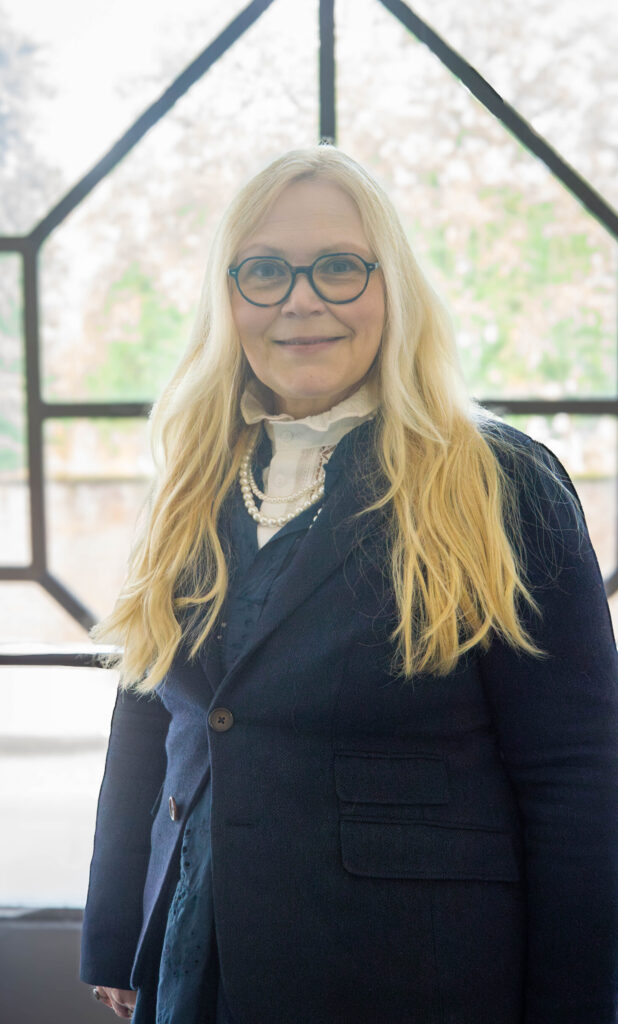
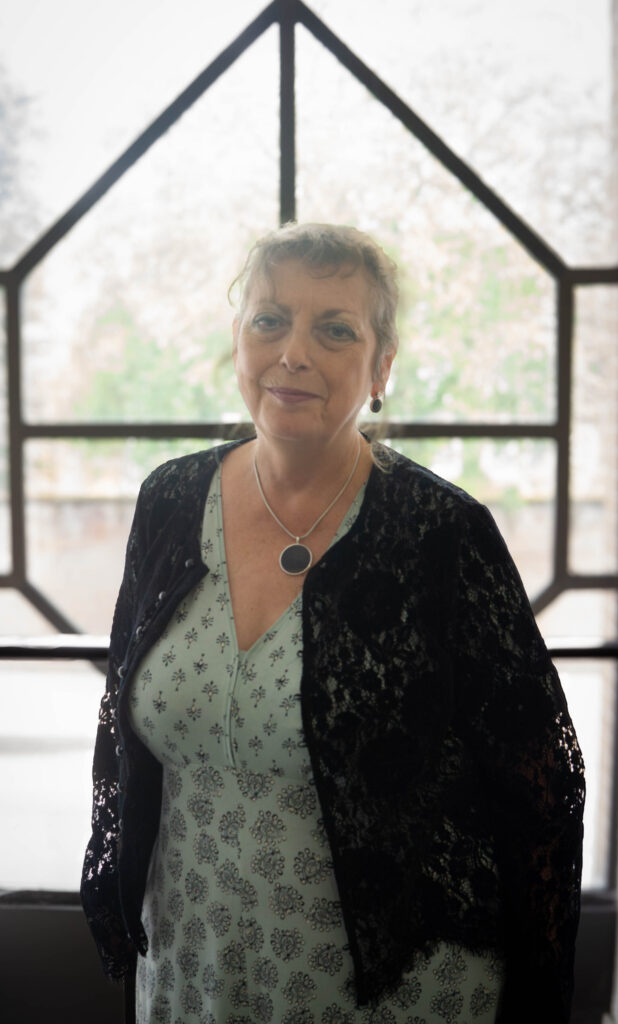
Our expert Care Proceedings Team is accredited by the Law Society for Child Law. They are friendly, approachable and understanding of the challenges you are facing.
To find out more about our expertise, please call:
Key Contacts

Topics
This article is for general information only and does not constitute legal advice. The law may have changed since publication. Please contact us for advice on your own circumstances.
Keep reading
Related insights


Articles
Personal Welfare Deputyships: What the Re HB Court of Appeal Decision Means for Families
Annie LewisRead
Speak to our team
Discuss your legal requirements with us
Whatever your situation, an initial conversation with one of our solicitors can bring clarity. We will listen, explain your options and be clear about cost from the outset.